Define Scope of Anatomy
Description & Overview
1. Before You Start
Before studying the scope of anatomy, you should understand these basic concepts:
- Anatomy is the study of the structure of the human body and the relationships between its parts.
- The human body is organized into different levels, from cells and tissues to organs and organ systems.
- Different branches of anatomy study the body from different perspectives, such as its regions, systems, microscopic structures, and development.
- Physiotherapists need anatomical knowledge to understand body movements, assess patients, and plan appropriate treatment.
2. Topic Overview
Anatomy is the branch of science concerned with the structure of the human body and the relationships among its parts.
The scope of anatomy is broad and includes the study of body structures at macroscopic and microscopic levels, their development, their arrangement in different regions and systems, and their clinical significance.
The major branches of anatomy include gross anatomy, microscopic anatomy, developmental anatomy, regional anatomy, systemic anatomy, surface anatomy, neuroanatomy, radiological anatomy, and clinical or applied anatomy. Each branch provides a different approach to understanding the structure and organization of the human body.
In physiotherapy, anatomy provides the structural foundation for understanding movement, posture, muscle function, joint mechanics, nerve function, and the effects of injury or disease on physical activity.
3. Understand the Topic
Want a simpler Hindi-English explanation? Read this topic in Hinglish.
A. What Does Scope of Anatomy Mean?
The word scope means the range or extent of a subject. Therefore, the scope of anatomy refers to the different areas of the human body's structure that can be studied and the different methods used to study them.
For example, anatomy can be studied by examining the whole body, focusing on one body region, studying individual organ systems, or examining cells and tissues under a microscope.
B. Major Branches of Anatomy
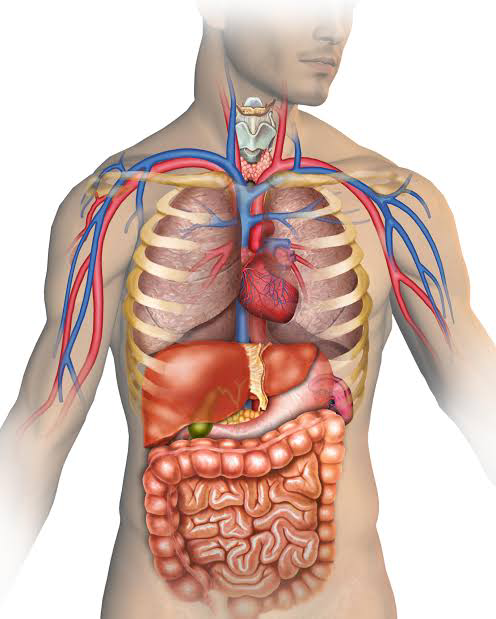
1. Gross Anatomy
Gross anatomy studies body structures that can be seen with the naked eye without a microscope.

Examples:
- Muscles of the upper limb.
- Bones of the lower limb.
- The heart and lungs.
- Major nerves and blood vessels.
Gross anatomy is particularly important in physiotherapy because therapists assess muscles, joints, bones, and other structures during physical examination and treatment.
2. Microscopic Anatomy
Microscopic anatomy studies structures that are too small to be seen clearly with the naked eye and require a microscope.
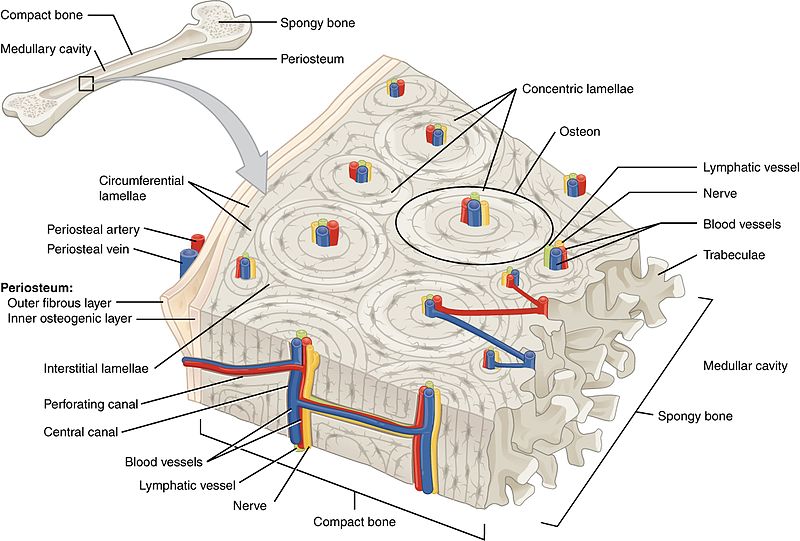
It includes:
- Cytology: the study of cells.
- Histology: the study of tissues.
Examples:
- Studying muscle fibres.
- Examining the structure of nervous tissue.
- Understanding the microscopic structure of cartilage.
3. Developmental Anatomy
Developmental anatomy studies the structural changes that occur in the human body throughout development, from fertilization to adulthood.
Embryology is the branch that specifically studies development before birth.

Examples:
- Formation of the limbs during embryonic development.
- Development of the vertebral column.
- Development of the heart.
4. Regional Anatomy
Regional anatomy studies all the structures present in a particular region of the body and their relationships with one another.
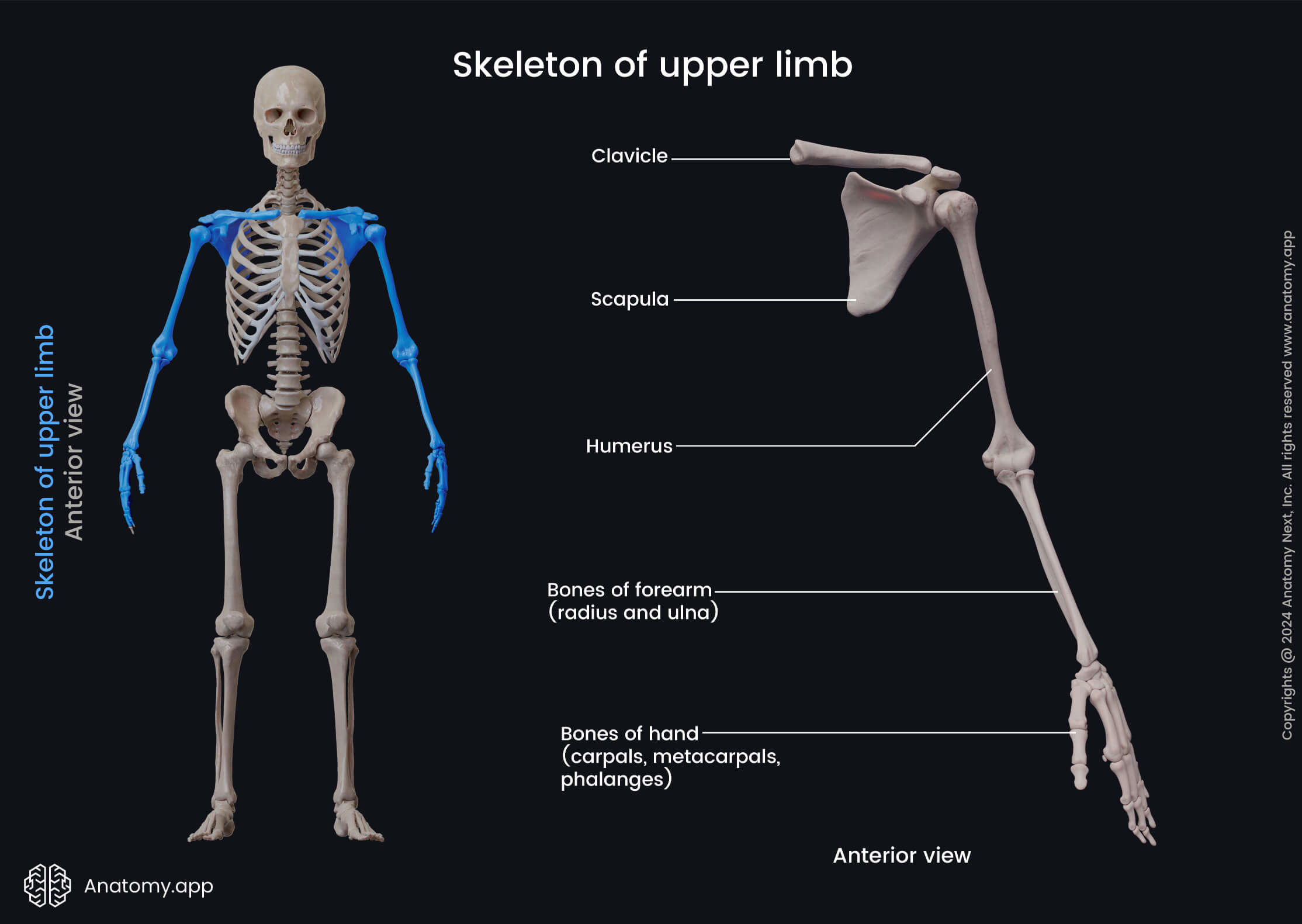
Examples:
- Shoulder region: bones, joints, muscles, nerves, and blood vessels.
- Neck region: muscles, cervical vertebrae, nerves, and blood vessels.
- Knee region: bones, ligaments, muscles, tendons, and nerves.
This approach helps physiotherapists understand how different structures in one region work together and how an injury to one structure may affect nearby structures.
5. Systemic Anatomy
Systemic anatomy studies the human body system by system.
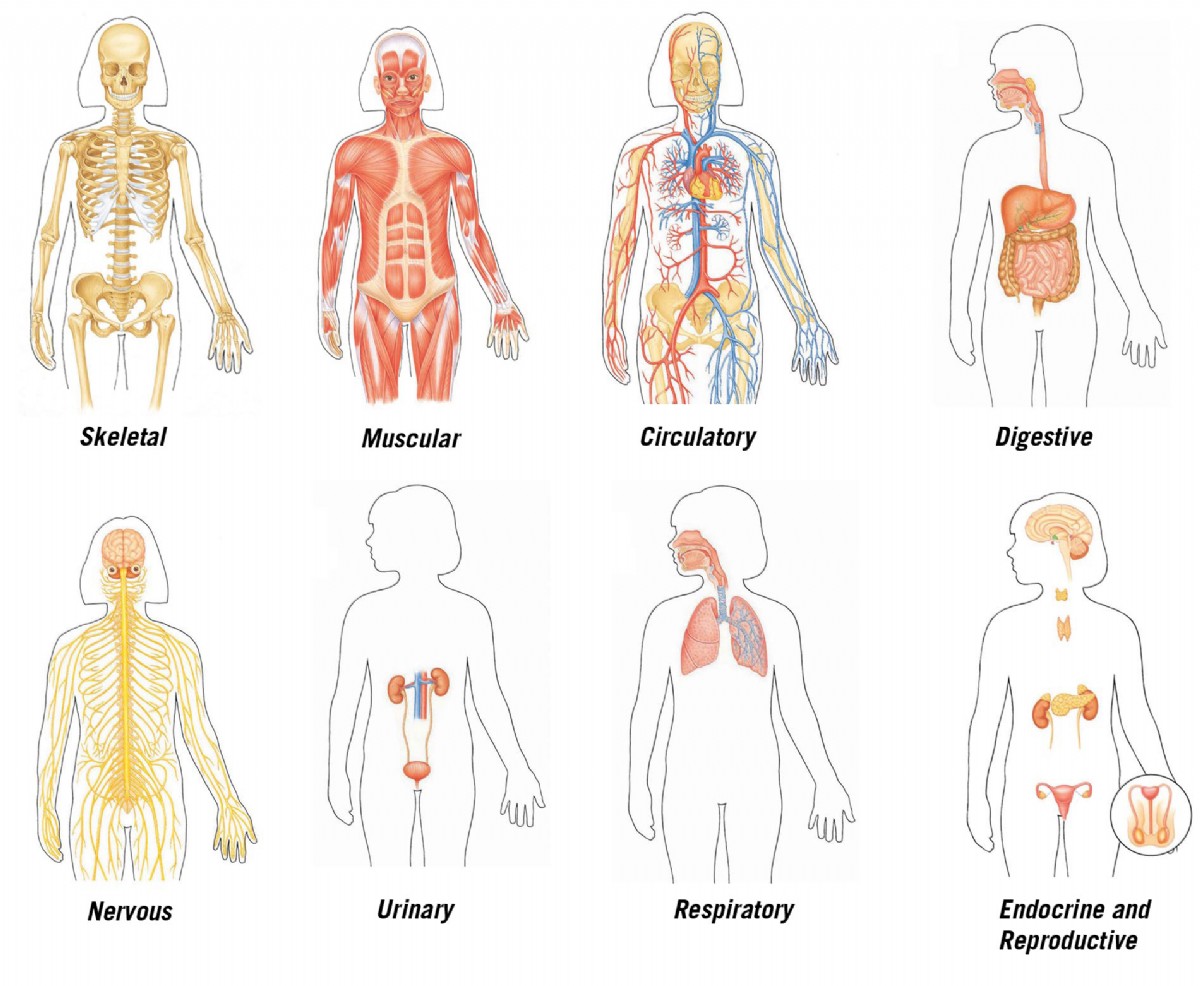
Examples:
- Skeletal system: bones and joints.
- Muscular system: muscles.
- Nervous system: brain, spinal cord, and nerves.
- Cardiovascular system: heart and blood vessels.
- Respiratory system: airways and lungs.
- Urinary system: kidneys, ureters, urinary bladder, and urethra.
This approach helps students understand the organization and relationships of structures belonging to a particular body system.
6. Surface Anatomy
Surface anatomy studies external body landmark...
✨ Reading in Preview Mode (50%)
Join PhysioSource to unlock full detailed descriptions, diagrams, and clinical insights.
Login to ContinueLearning Materials
Model Question Bank -Scope of Anatomy
ACADEMIC REFERENCES AND FURTHER READING
Bottom Line
KEY TAKEAWAY
The scope of anatomy includes the study of human body structures at different levels and through different approaches. Its major branches include gross anatomy, microscopic anatomy, developmental anatomy, regional anatomy, systemic anatomy, surface anatomy, neuroanatomy, radiological anatomy, and clinical or applied anatomy. Together, these branches provide the structural knowledge required for physiotherapy assessment, movement analysis, and treatment planning.
QUICK REVISION POINTS
- Gross anatomy: Studies structures visible to the naked eye.
- Microscopic anatomy: Studies cells and tissues using a microscope.
- Developmental anatomy: Studies structural changes during development.
- Regional anatomy: Studies all structures within a particular body region.
- Systemic anatomy: Studies the body system by system.
- Surface anatomy: Relates external landmarks to deeper structures.
- Neuroanatomy: Studies the structure of the nervous system.
- Radiological anatomy: Studies structures through medical imaging.
- Clinical or applied anatomy: Applies anatomical knowledge to clinical problems.
- Functional anatomy: Relates body structure to function and movement.
EXAM PERSPECTIVE
For a short-answer question, define the scope of anatomy and list its major branches with a brief explanation of each.
For a long-answer question, begin with the definition of anatomy and the meaning of its scope. Explain the major branches with examples and conclude with their importance in physiotherapy.
Important distinction: Remember to distinguish regional anatomy, which studies structures in one body region, from systemic anatomy, which studies structures belonging to a particular body system.
CLINICAL INSIGHT
A physiotherapist assessing shoulder pain may use:
- Gross anatomy to identify muscles and joints.
- Surface anatomy to locate landmarks.
- Functional anatomy to understand movement.
- Clinical anatomy to relate the findings to a possible injury.
This demonstrates how different approaches to anatomy support patient assessment and treatment.